
The thrill of risk-taking
The experience of gambling is often deeply intertwined with the allure of risk-taking. For many individuals, gambling offers a rush of adrenaline, an excitement that comes from stepping outside one’s comfort zone. This thrill is amplified by the uncertainty of the outcome. The human brain is wired to respond to potential rewards, and the unpredictable nature of gambling taps into this instinctive craving for novelty and excitement. As players explore options like casino online platforms, they may experience heightened emotions that can lead to a sense of euphoria, creating a compelling reason to continue participating in gambling activities.
In addition to the immediate thrill, the psychological mechanisms behind risk-taking can be traced back to our evolutionary past. In ancient times, taking risks was essential for survival, whether it involved hunting or gathering essential resources. Today, this same impulse manifests in various aspects of life, including gambling. Individuals often find themselves drawn to situations that evoke a sense of danger or uncertainty, as they may feel that the rewards justify the risks. Within the controlled environments of gambling venues, the thrill of risk-taking becomes a recreational activity that can be both exhilarating and liberating, enticing players to return for more.
The impact of risk-taking extends beyond the individual level; it also influences social interactions. When people gamble together, they share in the risk and excitement, enhancing their social bonds. This collective experience fosters camaraderie among players, creating an environment charged with anticipation and shared hopes. The combination of personal thrill and social connection makes gambling appealing to many, encouraging repeated participation as players seek to relive those exhilarating moments, reinforcing their desire to engage in this activity regularly.
The psychology of reward
The psychology of reward plays a crucial role in understanding why people are drawn to gambling. The brain’s reward system is activated when individuals engage in activities perceived as pleasurable, and gambling is no exception. Winning, even in small amounts, triggers the release of dopamine, a neurotransmitter associated with pleasure and reward. This chemical reaction creates a positive feedback loop, encouraging players to continue gambling in pursuit of that rewarding feeling. Over time, players may begin to chase not just wins but also the emotional high associated with gambling itself, deepening their involvement in this activity.
Additionally, the concept known as “variable ratio reinforcement” significantly contributes to the addictive nature of gambling. In this scenario, rewards are provided after an unpredictable number of attempts, creating a unique sense of anticipation. This unpredictability keeps players engaged, as they never know when a win may occur. The psychological anticipation can transform each game into a suspenseful experience, compelling players to continue despite potential losses. The promise of a big win reinforces their behavior, leading to an ongoing cycle of play that can be difficult to break.
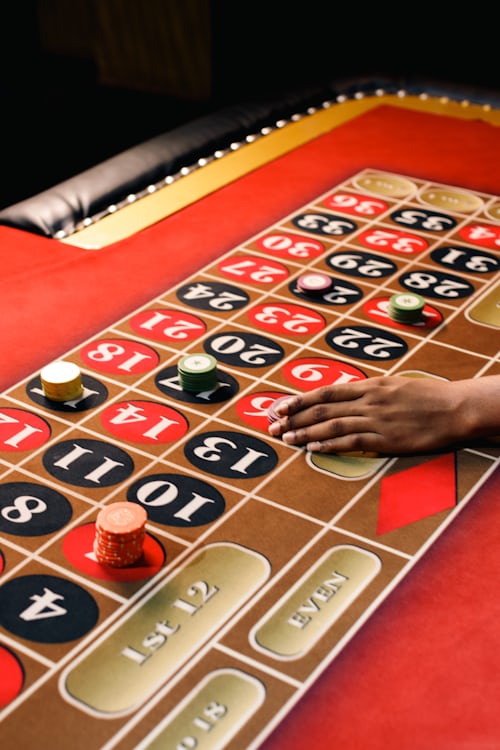
Understanding the psychology behind rewards is essential for recognizing the potential risks of gambling. While many individuals can enjoy gambling as a form of entertainment, others may find themselves caught in a cycle of compulsive behavior. Recognizing the distinction between occasional play and problematic gambling is paramount, as the latter can have devastating consequences on one’s financial and emotional well-being. Awareness of these psychological dynamics can empower individuals to make more informed choices about their gambling activities, encouraging a healthier relationship with the activity.
Cognitive biases and gambling
Cognitive biases can significantly influence our perceptions and behaviors, particularly in the context of gambling. One common bias is the illusion of control, where gamblers believe they can predict or influence the outcome of a game. This misconception often leads individuals to engage in strategies or rituals, hoping to sway fate in their favor. Such behaviors create a false sense of confidence, reinforcing the desire to continue gambling, even in the face of mounting losses. By falling prey to this bias, players may overestimate their skill and influence, which can deepen their commitment to gambling.
Another prevalent bias is the gambler’s fallacy, which is the mistaken belief that past events can influence future outcomes in random games. For instance, if a player observes several losses in a row, they may convince themselves that a win is “due” to happen. This flawed reasoning can lead to chasing losses, increasing bets in an attempt to recover previous losses. Understanding these cognitive biases is critical for mitigating their effects and making rational decisions regarding gambling, allowing individuals to recognize when their thinking may be clouded by irrational beliefs.
Moreover, cognitive biases can affect how players interpret outcomes. Celebrating small wins while downplaying losses can create a distorted perception of success. This skewed perspective can lead individuals to believe that they are on a winning streak, further entrenching them in gambling behavior. By recognizing and addressing these cognitive biases, individuals can better understand their motivations and reactions, fostering a healthier relationship with gambling activities. Acknowledging the impact of these cognitive patterns is essential for maintaining a balanced approach to gambling.
The social aspects of gambling
The social environment surrounding gambling plays a pivotal role in driving participation. For many, gambling is not merely an isolated activity but rather a social experience that fosters connection with others. Many individuals enjoy visiting gaming establishments or engaging in games with friends, as it provides opportunities for social interaction and shared excitement. This communal aspect of gambling can heighten enjoyment, as players celebrate each other’s wins and navigate the highs and lows together, creating lasting memories and deepening friendships.

Additionally, cultural influences shape the social acceptance of gambling in various communities. In some societies, gambling is a tradition, embedded in social and family gatherings. These cultural norms can normalize the behavior and create a sense of belonging, encouraging individuals to participate as a means of connection. The communal atmosphere found in gambling venues often reinforces the desire to engage, as players feel a sense of solidarity with others who share similar interests. This sense of belonging can be particularly compelling for those who seek community and shared experiences.
However, the social aspects of gambling can have both positive and negative implications. While it can foster strong bonds, it can also lead to peer pressure or unhealthy competition among friends. Individuals may feel compelled to gamble more than they can afford or may find themselves in situations where they are chasing the excitement that others experience. Balancing the social elements of gambling with personal responsibility and awareness is crucial to ensuring that this form of entertainment remains enjoyable and safe for all participants, allowing them to engage without compromising their well-being.
Understanding responsible gambling
As the excitement and risks associated with gambling become apparent, understanding the principles of responsible gambling is essential. Responsible gambling encompasses strategies and practices aimed at ensuring that gambling remains a form of entertainment rather than a source of harm. This includes setting limits on time and money spent gambling, recognizing the signs of problematic behavior, and understanding the risks involved. Education on responsible gambling can empower individuals to make informed choices that align with their values and financial situations, promoting healthier gambling habits.
Additionally, many organizations and websites offer resources to help individuals understand the principles of responsible gambling. These resources include advice on setting limits, understanding one’s motivations for gambling, and recognizing warning signs that may indicate unhealthy behavior. Engaging with such resources can foster a proactive approach to gambling, encouraging players to prioritize their well-being while still enjoying the activity. This knowledge can help individuals navigate their gambling experiences with greater awareness and caution.
Lastly, promoting a culture of responsible gambling is crucial for communities and industries involved in gambling. By encouraging awareness and providing support, stakeholders can help create an environment that prioritizes player safety and well-being. Whether through educational campaigns, outreach programs, or accessible resources, the goal is to foster a balanced approach to gambling, ensuring that it remains a source of entertainment and social connection without compromising individual health. This commitment to responsibility can lead to healthier gaming environments that benefit everyone involved.