
Understanding the House Edge
The concept of the house edge is fundamental to understanding how casinos operate and why beating the house consistently proves challenging. The house edge refers to the mathematical advantage that the casino holds over players in any game. For example, in a game like roulette, the presence of the zero and double zero gives the house an edge over the player, ensuring that, over time, the casino will profit from wagers. Those seeking the thrill of gaming can explore options like best online pokies australia payid , which offer unique experiences. This built-in advantage means that even if players enjoy winning streaks, the longer they play, the more likely they are to lose their winnings back to the house.
Moreover, different games in a casino come with varying levels of house edge. Slot machines typically have a higher house edge, often ranging between 5-15%, while table games like blackjack or baccarat can have a much lower edge when played optimally. Understanding this variance is crucial for players who wish to increase their chances of winning. For instance, employing the right strategies in blackjack can reduce the house edge to less than 1%, making it a more favorable game for players willing to learn and practice.
Additionally, while the house edge is a consistent factor, individual outcomes can vary dramatically. Luck plays an integral role in short-term gambling, which can lead to significant wins or losses. Players must recognize that, over the long haul, the house edge asserts itself, resulting in a net loss for most players. This inherent risk highlights the importance of responsible gambling and setting limits to ensure that players can enjoy the experience without severe financial consequences.
Strategies for Beating the House
Many gamblers seek ways to gain an advantage over the casino, employing various strategies that aim to mitigate the house edge. One such strategy is card counting in blackjack, where players keep track of which cards have been dealt to estimate the likelihood of favorable cards being dealt next. Although not illegal, casinos often discourage card counting and might ask players to leave if they are suspected of employing this technique. However, for those who master it, card counting can significantly shift the odds in their favor.
Another common method is betting strategies, such as the Martingale system, where players double their bets after each loss to recuperate previous losses. While this system can work in the short term, it is risky, as a long losing streak can lead to substantial financial losses. Additionally, casinos often have table limits that can prevent players from continuing to double their bets after a point, making this strategy less effective in the long run.

Moreover, understanding game rules and employing optimal play strategies can also enhance a player’s chances. For example, knowing when to hit, stand, or double down in blackjack can make a significant difference. Players who take the time to study game strategies and practice them can improve their odds dramatically, positioning themselves better against the house. However, it’s essential to remember that while employing these strategies can help, they do not guarantee success, given the underlying house edge that remains ever-present.
The Role of Luck in Gambling
While strategy is crucial, luck remains an undeniable factor in the gambling experience. Many players have had moments when fortune favored them, leading to unexpected wins, whether from a lucky roll of the dice in craps or hitting a jackpot on a slot machine. This element of luck is what draws many people to casinos, as the potential for a life-changing win is a tantalizing prospect. However, relying solely on luck can lead to irresponsible gambling habits, where players chase losses in hopes of regaining money through sheer chance.
Moreover, the randomness of many casino games means that even the most skilled strategies can sometimes fail to yield positive results. For example, in games like poker, while skill and strategy are vital in the long term, a bad beat can turn the tide of any game, demonstrating how quickly luck can influence an outcome. Players must develop a healthy relationship with luck, understanding that it is merely part of the game and should not overshadow the importance of strategy and bankroll management.
Ultimately, embracing the unpredictable nature of gambling can enhance the overall experience. Accepting that luck plays a significant role can help players enjoy their time at the casino without becoming overly fixated on winning. Balancing skill and luck in their approach allows players to appreciate the thrill of the games, fostering a more enjoyable and less stressful gambling experience.
The Psychological Aspects of Gambling
The psychological factors at play during gambling can significantly influence a player’s ability to make sound decisions. Many players experience a phenomenon known as “loss aversion,” wherein the fear of losing money outweighs the potential pleasure of winning. This mindset can lead to poor decision-making, such as chasing losses or continuing to bet in hopes of a comeback when odds are stacked against them. Understanding these psychological traps can empower players to set limits and remain disciplined during their gaming sessions.
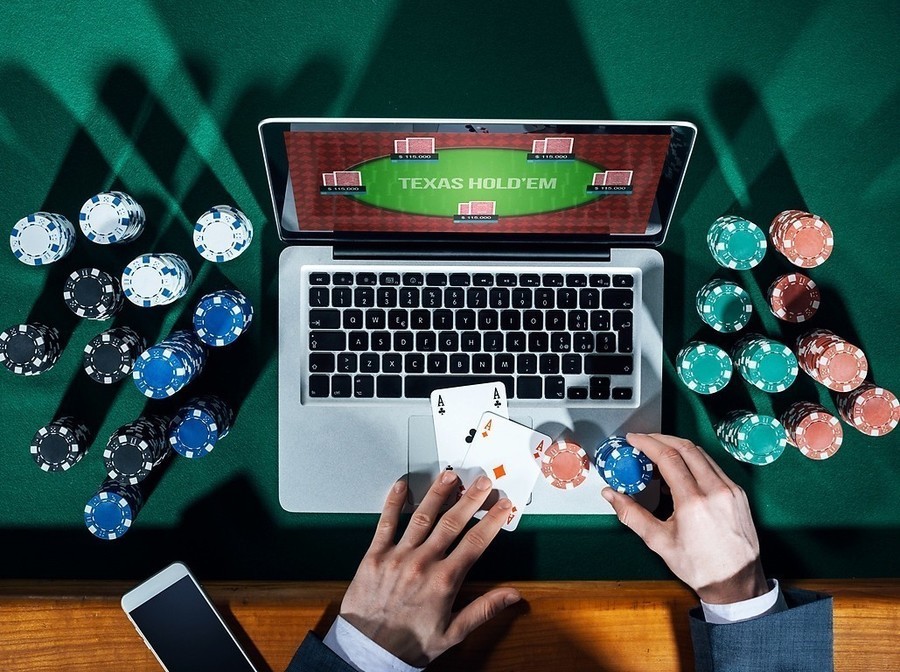
Additionally, the excitement and adrenaline rush of playing can cloud judgment, leading to impulsive wagers. Casinos are designed to amplify this excitement, with bright lights and engaging sounds creating an environment that encourages extended play. This sensory overload can lead to players losing track of their spending and time, contributing to gambling addiction. Recognizing these psychological influences and implementing self-control methods is crucial for maintaining a responsible approach to gambling.
Furthermore, social factors can also affect gambling behavior. The communal atmosphere of a casino can create a sense of camaraderie or competition, which can lead players to make riskier bets than they would on their own. Understanding one’s motivations for gambling—whether for social interaction or escapism—can help players make informed decisions about how much to wager and when to walk away. By acknowledging these psychological aspects, players can better navigate the complexities of gambling and maintain a healthy balance between enjoyment and financial responsibility.
Conclusion: The Reality of Beating the House
In conclusion, while it is theoretically possible to beat the house in a casino, doing so consistently is fraught with challenges. The house edge ensures that over time, the casino will generate profit from players, making it difficult to achieve long-term success. By understanding the concepts of house edge, employing effective strategies, and acknowledging the role of luck, players can enhance their gaming experience, but there are no guarantees in the unpredictable realm of gambling.
Moreover, the psychological aspects of gambling play a significant role in a player’s potential success. Developing awareness of these influences can help gamblers make better decisions, ensuring they remain in control of their gaming habits. Ultimately, responsible gambling is key; setting limits and recognizing when to stop can lead to a healthier relationship with casino games.
For those interested in exploring these concepts further, there are many resources available that delve into gambling strategies, psychological influences, and responsible gaming practices. By combining knowledge with a mindful approach, players can enjoy the thrill of the casino while minimizing risks and maximizing fun.